Hakone
4 Spots
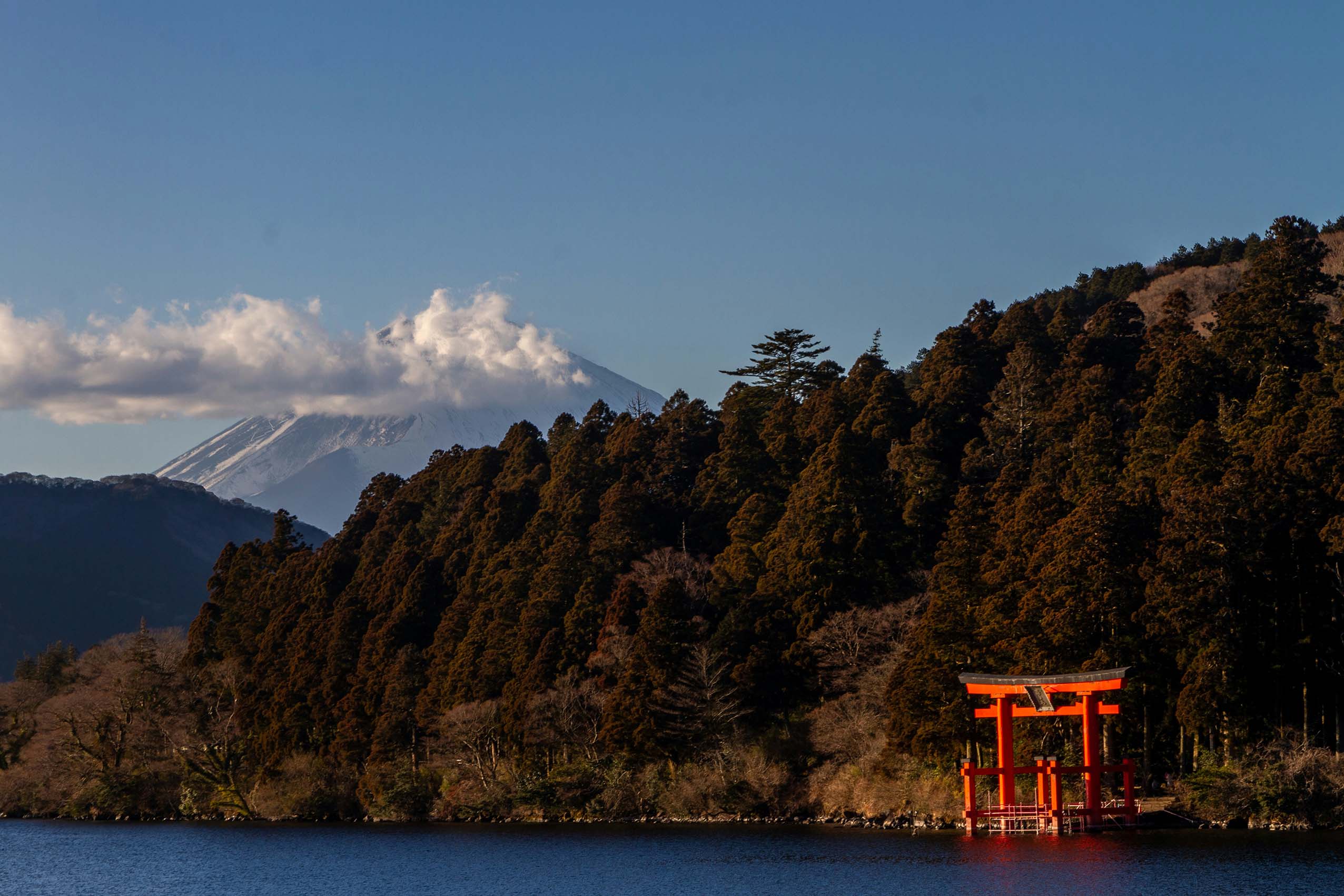
Hakone is a mountainous hot-spring resort town in Kanagawa Prefecture, just 90 minutes from Tokyo by the iconic Romancecar express. Nestled within the caldera of an ancient volcano, the area offers a rich mix of natural wonders — steaming volcanic valleys, serene crater lakes, and forested ridges with views of Mt. Fuji on clear days. The town has been a retreat for weary travellers since the Edo period, when it served as a checkpoint on the old Tokaido highway.
Today Hakone blends tradition with world-class art and relaxation. Soak in an open-air onsen overlooking misty mountains, ride the aerial ropeway over the sulphurous Owakudani valley, or cruise Lake Ashi on a replica pirate ship. The Hakone Free Pass makes exploring by train, bus, cable car, and boat remarkably simple and affordable.
Info
Spot Rankings
Spots in this Area
Hakone Open-Air Museum
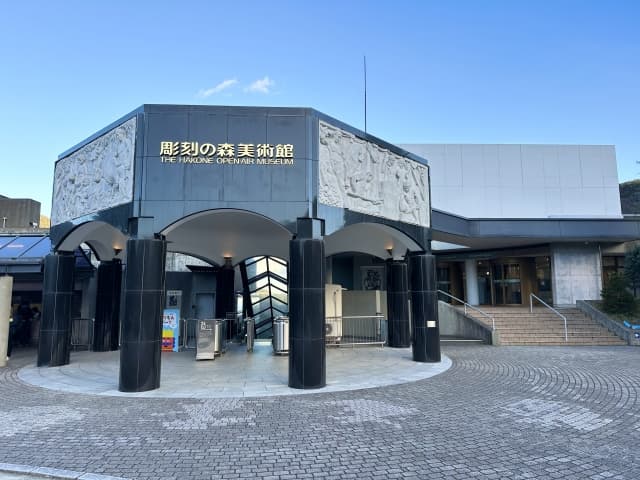
Japan's first open-air art museum spreads across a lush hillside, displaying over 120 sculptures by masters like Henry Moore, Auguste Rodin, and Taro Okamoto against a backdrop of forested mountains and steaming volcanic terrain. Opened in 1969, the museum blends nature and art in a way that feels effortless — winding paths lead past monumental bronze figures, playful installations, and a stunning multi-story tower encrusted with Chihuly glass. Indoors, the Picasso Pavilion houses over 300 works spanning the artist's career. Children will love the interactive net sculpture and crocheted playground, while adults can soak in the museum's own foot bath fed by natural hot springs — a perfect reward after exploring the sprawling grounds.
Owakudani
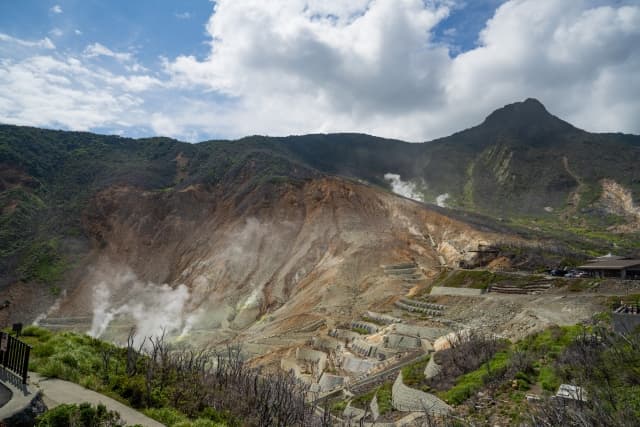
Owakudani is an active volcanic valley created during the last eruption of Mt. Hakone some 3,000 years ago. Sulphurous steam hisses from fissures in the barren, ochre-coloured landscape, filling the air with the unmistakable scent of rotten eggs. The Hakone Ropeway glides directly over this otherworldly terrain, offering aerial views of bubbling hot springs and the jagged crater rim. At the top, vendors sell kuro-tamago — eggs boiled in the sulphurous springs until their shells turn jet black. Local legend says each black egg adds seven years to your life. On clear days, the viewing platform reveals a breathtaking panorama of Mt. Fuji rising behind Lake Ashi — one of the most iconic photo opportunities in all of Japan.
Hakone Shrine
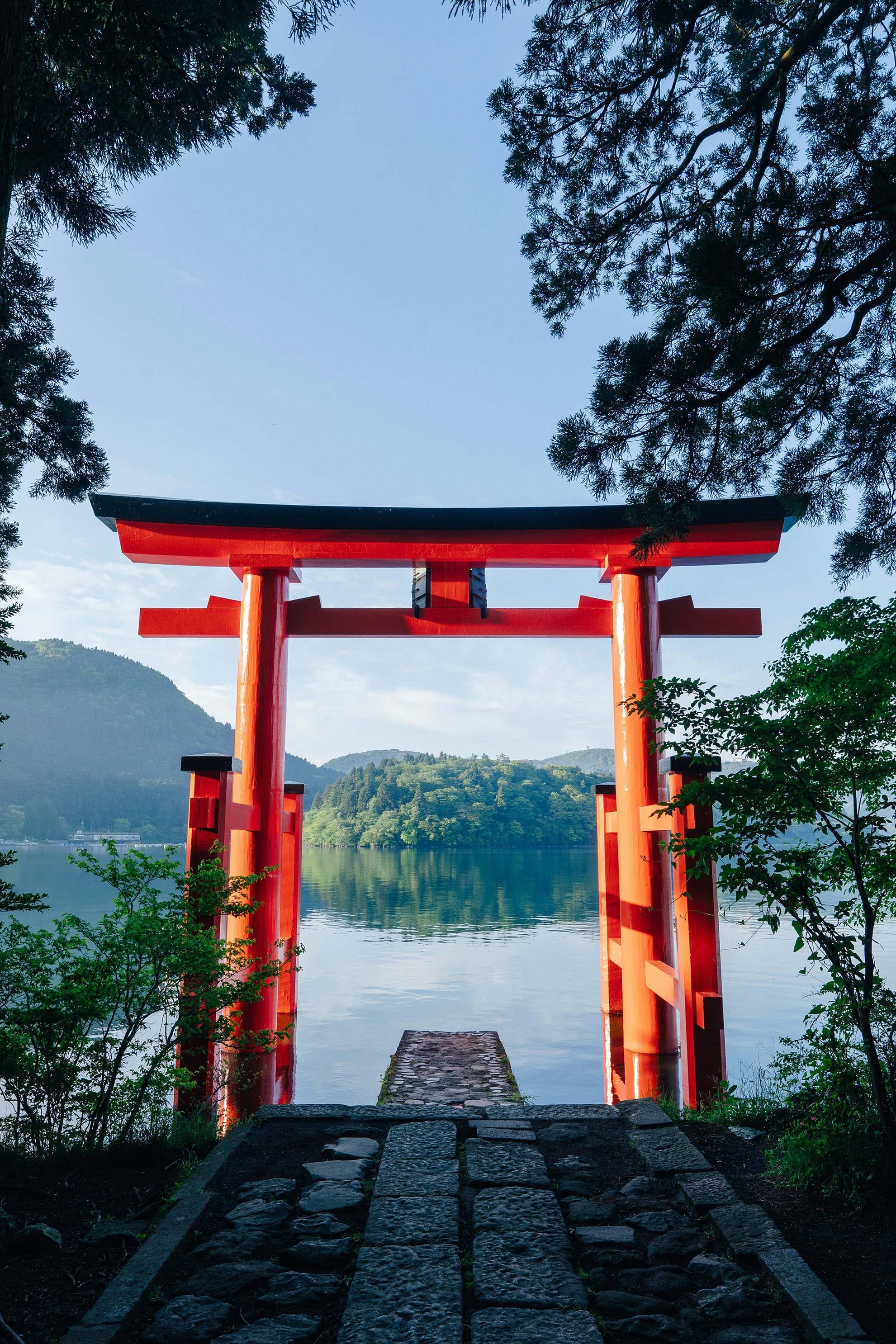
Hidden among ancient cedar trees on the shore of Lake Ashi, Hakone Shrine has been a place of worship and power since 757 CE. Its most photographed feature is the vermilion torii gate standing in the lake — a scene of ethereal beauty especially in the early morning mist when the gate appears to float above the water with the silhouette of Mt. Fuji behind it. The shrine's approach through a moss-covered forest of towering cryptomeria trees is an experience in itself, with shafts of light piercing the canopy overhead. At the main hall, visitors pray for safe travels and good fortune — traditions unchanged since samurai and feudal lords stopped here en route along the Tokaido highway.
Hakone Yumoto Onsen
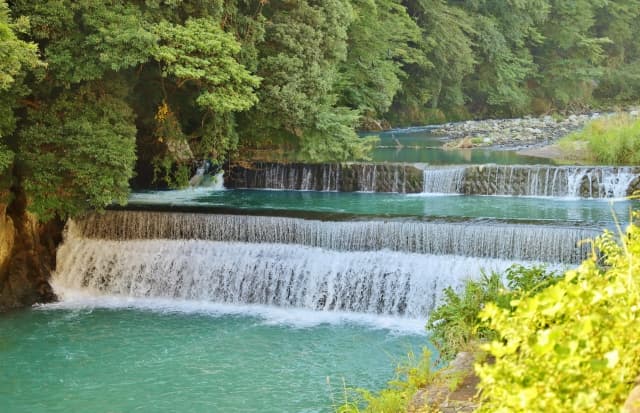
Hakone Yumoto is the gateway town to the Hakone hot-spring region and the area's oldest and most accessible onsen district. Mineral-rich waters have flowed here for over 1,200 years, and today the riverside town is lined with traditional ryokan inns, modern day-trip bathhouses, and souvenir shops selling local crafts and the famous Hakone yosegi-zaiku marquetry woodwork. For day-trippers, Tenzan Tohji-kyo and Hakone Yuryo offer luxurious open-air baths surrounded by forest. The alkaline waters are known for smoothing skin and relieving fatigue — an ideal final stop before boarding the Romancecar back to Shinjuku. Even without entering a bath, the atmospheric streets reward a leisurely stroll.